Breathe the High Air: Alpine Slowcraft & Analog Living
Step into Alpine Slowcraft & Analog Living, where handwork, seasons, and silence guide every choice. Here, mountain workshops hum without motors, kitchens glow with patient stews, and notebooks capture weather, woodgrain, and gratitude. We will wander snowy passes, listen to cowbells drift through fog, sharpen edges by hand, and celebrate objects that gather patina and story. Settle in; this is an invitation to slow down, craft with care, and live attentively among peaks and valleys.
Roots Along the Ridgeline
Centuries of making echo along these slopes: carved spoons from larch, bell straps stitched beside hearths, and shingles split beneath a sky braided with ravens and wind. Practices grew from steep paths and short summers, where patience mattered more than hurry. A carver in Val Gardena once told me the Föhn dictates his schedule; glue cures differently, wood sings or sulks, and a day’s success is judged by care, not quantity. That wisdom still steadies modern hands.
Tools That Outlast Time
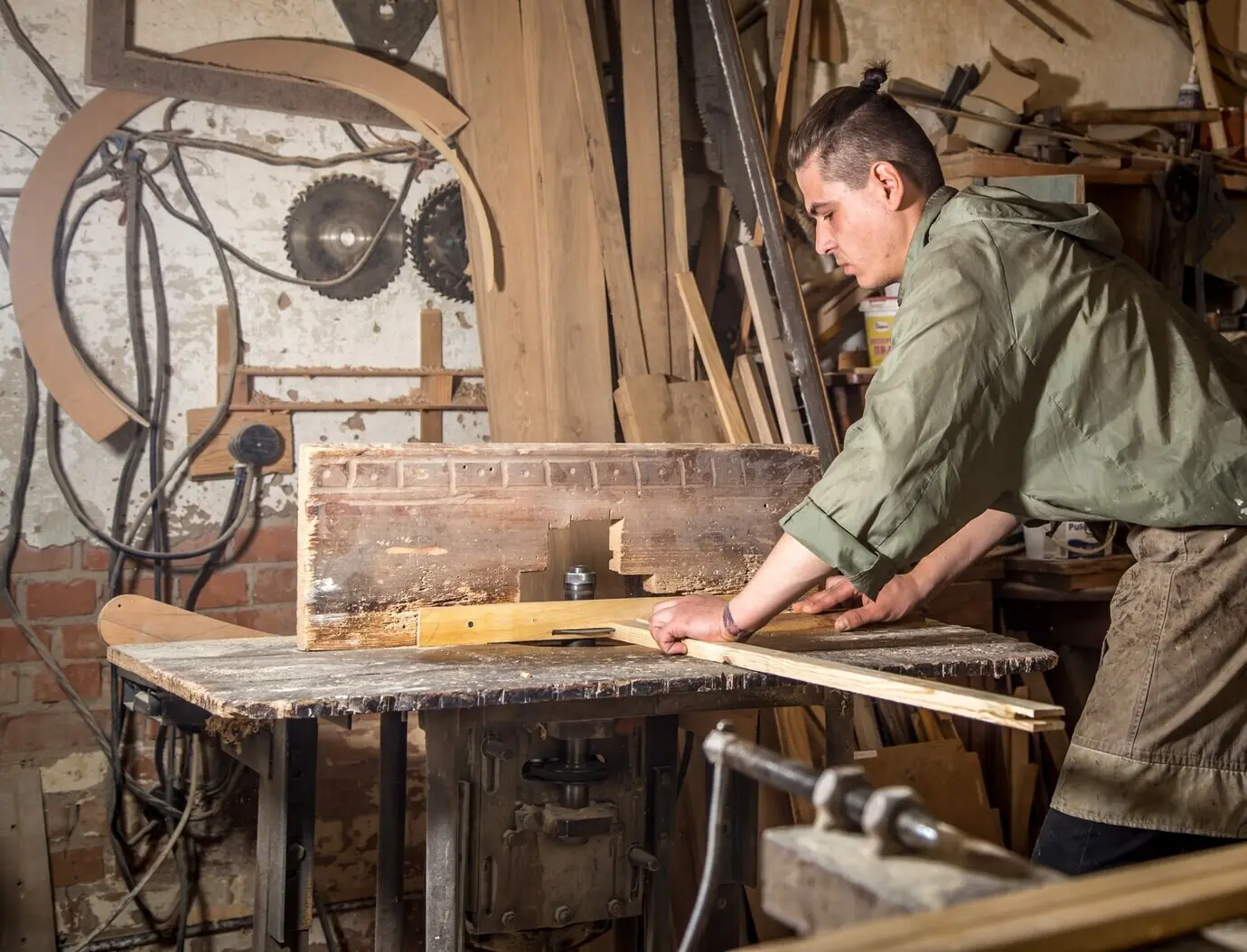
A good bench remains a faithful companion for decades, its top scarred by chisel slips and inked with measurements. Planes whisper, saws ring, and stones tune edges until steel glints like ice. In these heights, reliability outranks novelty. A vise that holds true, a square that stays honest, and a whetstone you trust on cold mornings matter more than any blinking screen. Maintenance becomes meditation, and tools grow virtues the way spruce gathers resin.
Bench, Vise, and Silence
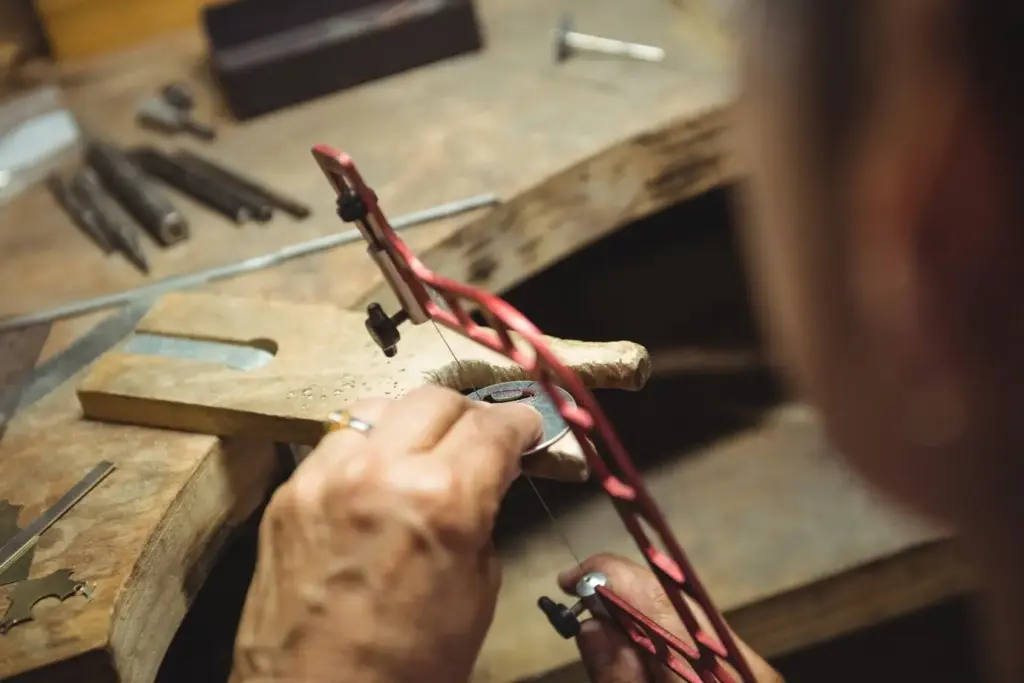
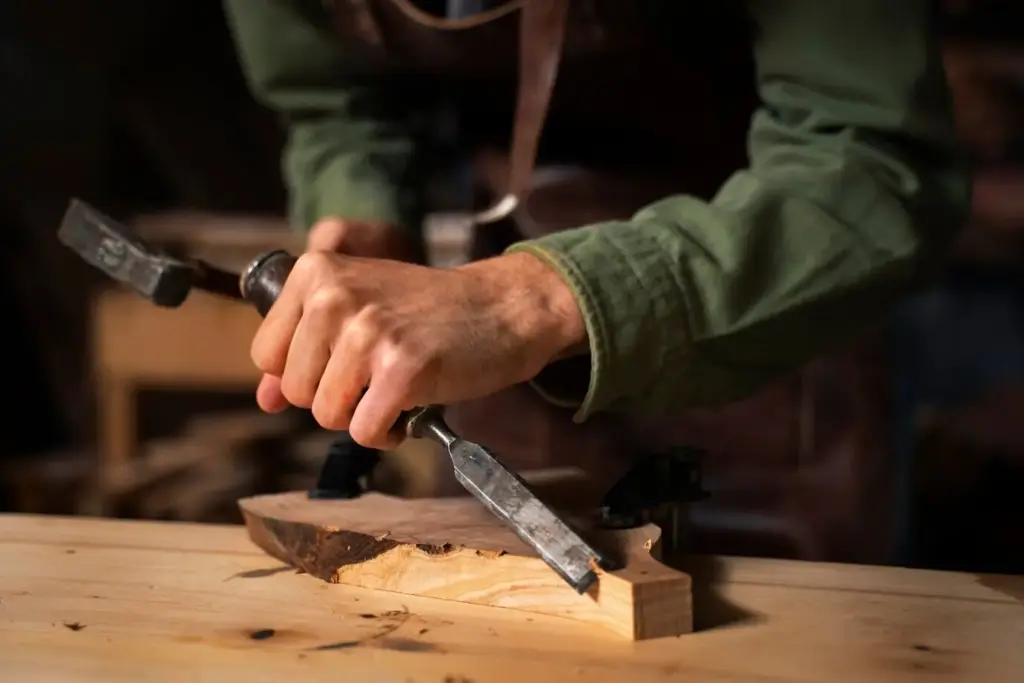
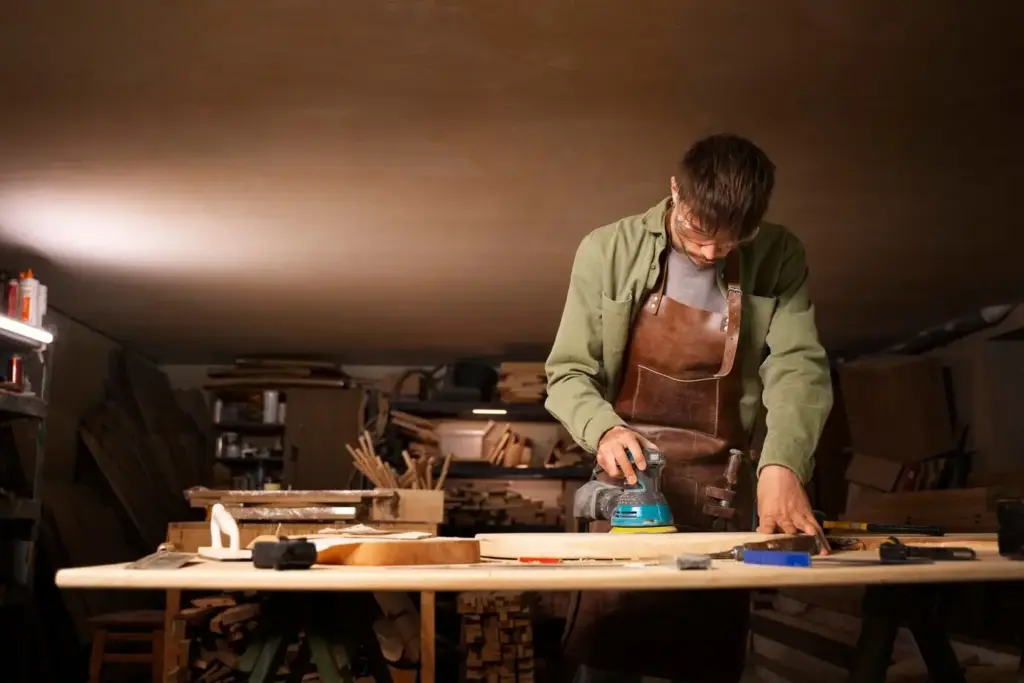
A heavy bench anchors the body and the day. Its dog holes, planing stop, and patient vise invite rhythm rather than rush. When blades meet wood without motors, feedback flows instantly through fingertips and forearms. You adjust stance, breath, and pressure, guided by the bench’s steady resistance. Silence becomes a tool too, revealing chatter before it tears fibers, and offering space to notice when the cut begins singing true.
Edges Forged in Fire
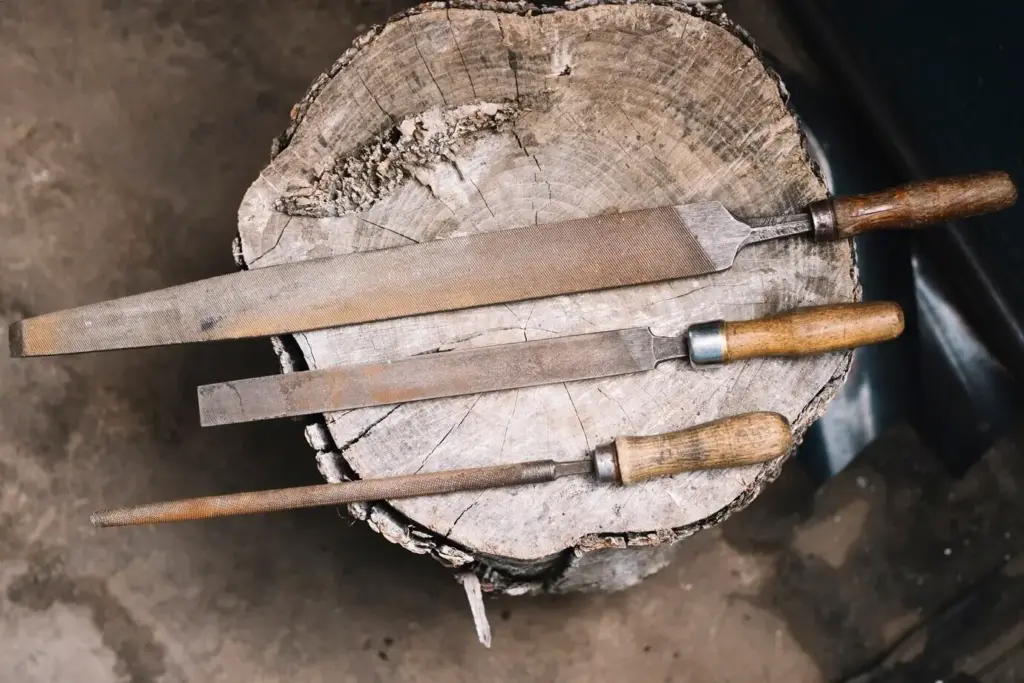
A hand-forged knife or chisel carries temperament and memory. You feel the smith’s intention in balance and spring, then contribute your own with every sharpening pass. In mountain shops, a simple oilstone, a leather strop, and practiced wrists keep edges keen. Steel’s kindness is earned, not bought. The ritual of honing—slow strokes, patient angles, quiet concentration—teaches restraint, humility, and focus. Sharpness becomes less a result than a relationship maintained over time.
Analog Measures, Honest Cuts
Dividers scribe true circles without batteries. A marking knife, not a pencil, promises fidelity where the blade will track. Squares inherited from grandparents still check frames against the truth of right angles. In this way, accuracy becomes visible and tactile, not abstract digits flickering briefly. You learn to trust the tiny click of a knife finding a scribe line, the clean reflection along a planed face, and the subtle confidence of repeatable motions.
The Grain That Guides Your Hands
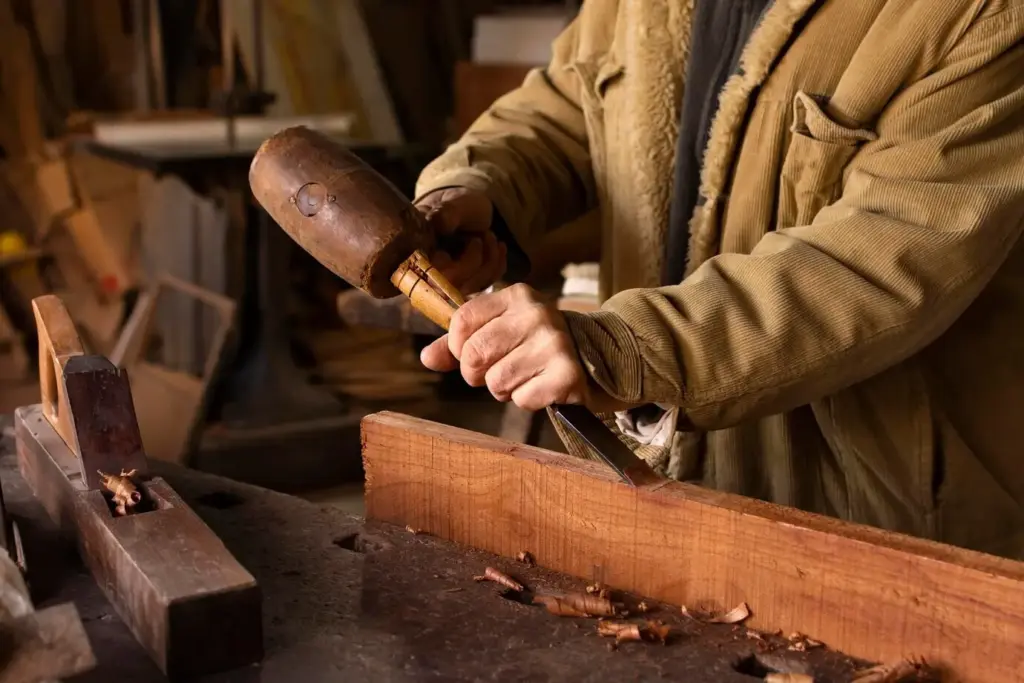
Turn the board and watch the light travel; the grain’s arrows hint which way a plane should glide. Tear-out scolds haste; shimmering ribbons reward alignment. Larch will test your patience; spruce forgives beginners. If you read end grain like a map, curves stop fighting, and toolmarks look intentional, not accidental. In this conversation, wood isn’t passive matter. It becomes a partner with preferences, asking for empathy before permission, guiding how far and fast we dare to go.
Warmth Spun from Highlands
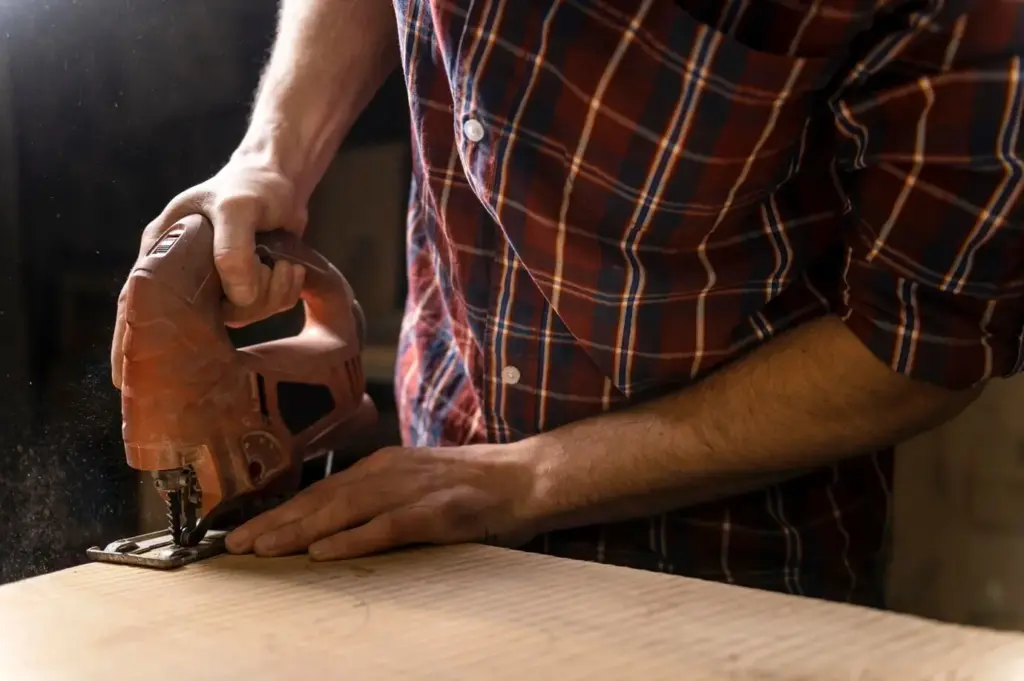
Wool from mountain flocks carries weather in its crimp, trapping warmth even when mist clings to your coat. Washed gently, carded, and spun, it becomes yarn that remembers hands and seasons. Natural dyes—onion skins, birch leaves, walnut hulls—mirror valleys in late autumn light. Knitted socks, fulled mittens, and shepherd’s caps travel paths machines cannot. Each stitch marks time honestly, like footsteps in slush that freeze overnight into sparkling, lasting records of where you chose to linger.
Stone, Lime, and Snowmelt
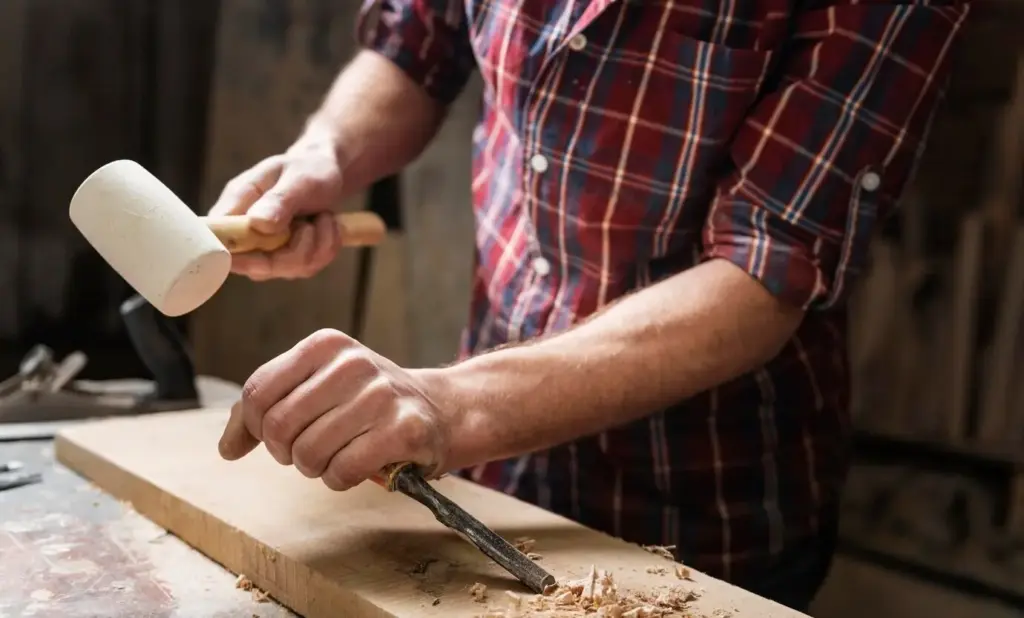
Dry-stacked walls breathe and move with freeze-thaw cycles, their stability born from fit rather than glue. Limewash glows softly, mending hairline cracks while welcoming future repairs. When snowmelt seeps under door sills, thresholds tell you what to raise, shape, or drain. Mountain craft respects impermanence without surrendering to it. Instead of sealing everything shut, you design for seasons—expansion, contraction, and strong winds—so buildings age like leather, graciously, gaining beauty as they accept the landscape’s demands.
Rituals for an Unhurried Day
Analog living shines in small habits. Morning notes set intention before noise intrudes. A midmorning walk resets posture and perception. Lunch is soup that simmered while you planed rails. Afternoon light suggests photography on film or a sketch beyond the fence. Evening welcomes mending, reading, and tea in thick mugs. Replace optimization with observation, and notice how fatigue eases when the clock follows the sun rather than notifications. Gentleness turns astonishingly productive when steadiness becomes your primary tool.
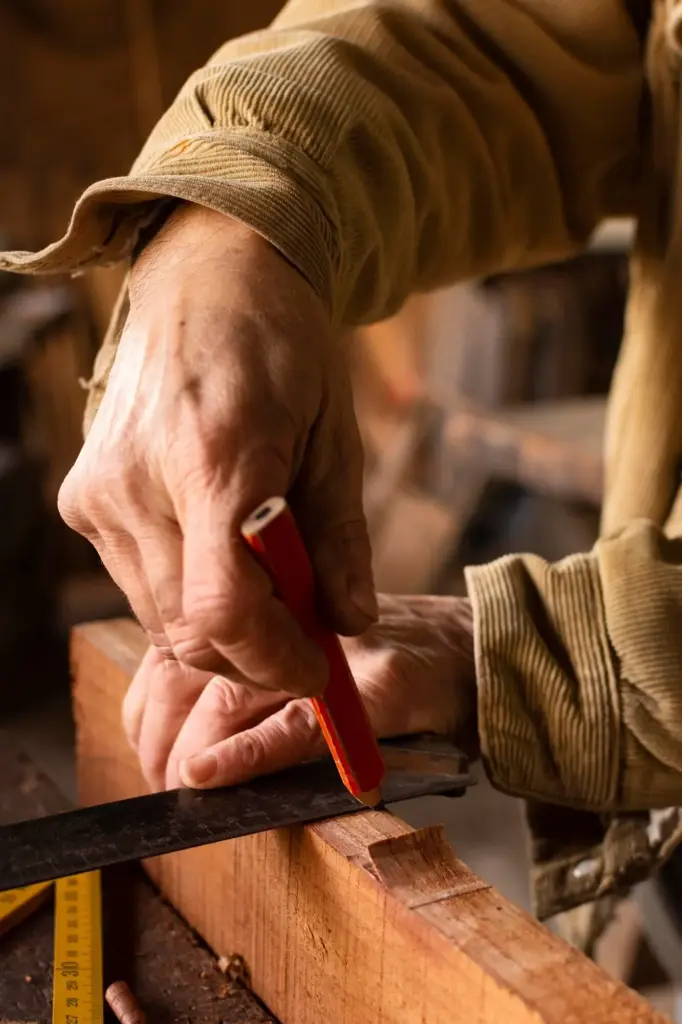
Morning Pages and Fountain Ink
Open a notebook before opening anything else. Three honest pages sweep mental flakes from the path, clearing space for careful work. A fountain pen slows thoughts to a humane pace; nib feedback rewards presence. Date the margin, note the weather, and set one generous intention. When worries return later, the pages remind you what mattered. This daily anchor needs less than fifteen quiet minutes, yet steadies decisions long after the tea has cooled.
The Noon Walk Without a Screen
Put distance between you and urgency by stepping outdoors with empty hands. Count switchbacks to measure breath, follow a crow’s arc, and feel how boots decide rhythm better than emails do. Leave the phone inside; let the path become the plan. Return to the bench or kitchen warmed, widened, and newly curious. Problems often soften or solve themselves when cadence changes. Even in cities, a lunch loop around trees and brick shifts thought from twitchy to attentive.
Evening Light by Oil Lamp
When dusk arrives, an oil lamp asks for patience: trim the wick, strike a match, adjust the flame until glass clears. The room gathers gentler edges; conversations slow and deepen. Mending a cuff, polishing a knife handle, or annotating a recipe becomes ceremony. Light becomes timekeeper, not tyrant. Sleep follows more willingly, and tomorrow’s attention grows from tonight’s softness. Small rituals turn ordinary rooms into refuges, teaching us to end days as artfully as we begin them.
Practice Projects for Beginners
Start where risk is low and learning is high. A butter knife from green wood teaches grain and safe knife work. A pocket notebook reveals paper grain, folding sequences, and patient stitching. A fermentation crock turns cabbage, salt, and time into nourishment that honors winter. Each project fits on a small bench or kitchen table, costs little, and builds confidence. By finishing something modest, you’ll gather skills and courage for larger, longer, more personal undertakings.
Carve a Simple Butter Knife
Split a small billet of birch or cherry and sketch a gentle profile. With a sloyd knife, carve along the grain, keeping thumbs behind the edge. Refine the handle with stop cuts, then smooth with a spoon knife if you like. Sanding is optional; burnishing with shavings often suffices. Finish with flaxseed oil, hang to cure, and serve with fresh bread. In one afternoon, you’ll learn stance, sharpness, and the joy of shaping useful grace.
Bind a Pocket Field Notebook
Fold a few sheets with grain running parallel to the spine, nestle them into a cover cut from recycled cardstock, and pierce three holes with an awl. Use waxed linen thread for a strong pamphlet stitch. Add a pencil loop from scrap cloth. Title the first page with today’s date and a promise to notice five small things. This compact companion invites sketches, measures, and memories, becoming a traveling ledger of care as you wander and make.
Ferment a Crock of Mountain Kraut
Shred cabbage, massage with two percent salt until brine gathers, then press it firmly into a clean jar beneath its own liquid. Keep it submerged, warm but not hot, and listen for the gentle fizz of quiet work. In a week or two, flavors round and deepen like autumn light. Label the jar with place and time. Serve beside rye bread and cheese after a cold walk. This patient alchemy teaches trust, cleanliness, restraint, and celebration.
Stewardship and Shared Table
Making slowly means caring broadly—about forests, flocks, rivers, and neighbors. Choose local boards milled from storm-fallen trees, wool from nearby shepherds, and iron from small forges. Repair before replacing; trade before buying; teach before criticizing. Share meals that honor effort more than spectacle. Write down processes so others can repeat them. When care extends beyond the workshop door, objects carry more than function; they carry belonging. That belonging strengthens communities the way mortise meets tenon: precisely, patiently, beautifully.
All Rights Reserved.