Quiet Freedom Among High Pines

Today we explore off-grid mountain cabin living with hand tools and local timber, walking the path from windfall to warm hearth with respectful footsteps and steady, calloused hands. From selecting a ridge that sheds snow to hewing beams by moonlight, discover how simple steel and patient choices deliver water, heat, and safety. Hear small victories—like a kettle finally singing after a stormy night—and learn practices that keep you grounded, resilient, and joyfully at home where the grid ends and the stars begin.

Choosing a Sane Site

Stand still long enough to notice winter shadows, spring melt patterns, and where elk prefer to travel before dawn. Favor firm, well-drained ground slightly below the ridge to dodge the harshest winds, yet high enough to stay above cold-air pools. Southern exposure grants free warmth, while natural breaks shield sparks and roofs. A livable site protects your back, your water source, and your future energy, trading dramatic views for dependable shelter and daily comfort.

Packing a Purposeful Kit

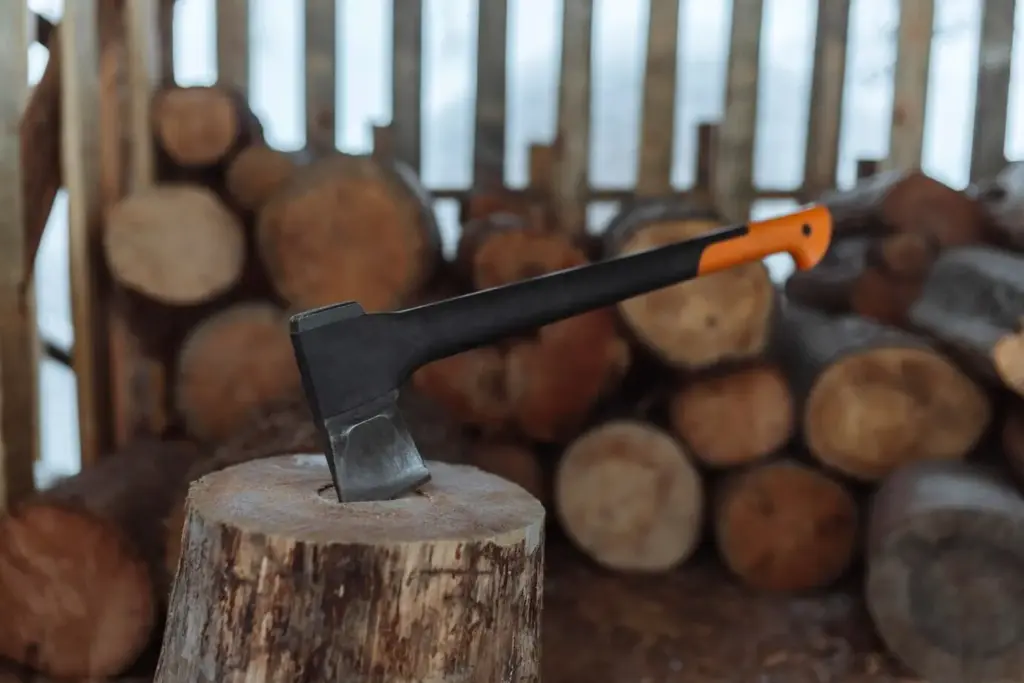
Every ounce carried uphill should earn its keep. A sharp crosscut, a reliable felling axe, a drawknife, a froe, stout chisels, and a couple of well-set hand planes can turn raw logs into trued members. Add wedges, pegs, a sturdy mallet, files, a small oilstone, and breathable work gloves. Resist gadget creep; thoughtful maintenance beats redundancy. Water, spare socks, and calories calm frustration when weather shifts, keeping your judgment steady as light fades behind the firs.

Reading Weather and Terrain

Clouds stacked like scales often promise wind; a haloed moon hints overnight ice. Melt-runnels carve quick lessons in spring footing, while shallow soils over rock demand gentle handling of trees and anchors. Schedule heavy lifts before afternoon thermals build, and respect afternoon thunderstorms that sprint over passes. Make contingency camps for surprise squalls. A small notebook of field signs—needle rustle, snow texture, bird alarm calls—turns guesswork into informed rhythm, saving time, skin, and irreplaceable morale.

The Forest as a Workshop

Local timber offers strength, story, and economy when taken with restraint and care. Species selection shapes the cabin’s bones and behavior through decades of thaw and freeze. By favoring naturally downed trees, storm breaks, and selective felling, you steward the stand while harvesting stout beams and boards. Hand tools keep the pace humane, the cuts attentive, and the waste minimal, transforming the surrounding woods from mystery into a kindly teacher and well-stocked, living workshop.

Joinery that Survives Winters

Laying Out with Accuracy
Begin with square, trustworthy reference faces, then scribe from certainty rather than hope. Use a marking knife instead of a wandering pencil where crisp shoulders matter. Story sticks remember repeated dimensions when tired eyes would forget. Dry-fit early, often, and honestly, noting where fibers bruise or light peeks mischievously through. Keep layout tools together in a waxed roll, safe from damp and dulling grit. Accuracy multiplies, as does sloppiness; choose the former and sleep easier.

Cutting Clean Mortises

Let the chisel follow the knife line, tap by tap, creating a rhythm that respects grain rather than defying it. Split waste intelligently, then pare, not pry. Flip often to keep sides honest, and check chisel back flatness whenever stubborn fibers argue. If your shoulders squeak during dry-fit, a whispering plane cures vanity. Peg holes slightly offset draw joints tight without cruelty. Accept that the neatest mortise came from unhurried breathing and a blade freshly loved.

Raising Frames Safely

Invite a few steady friends, rehearse commands, and stage tools where feet naturally land. Roll beams with bars, not backs, and wedge temporary braces before the first gust votes against your plan. Helmets may feel cityish until a slipping purlin proves their wisdom. Celebrate each post standing plumb by checking twice in laughter and once in silence. Food, hot tea, and clear roles prevent frayed tempers. The frame rises like a song when everyone trusts the tempo.

Fire, Sun, and Flowing Water

Independent comfort depends on deliberate, layered energy choices. A small, well-sealed stove sips wood and yields clean glass, while a thoughtful chimney respects clearances and drafts willingly. Modest solar, wired simply, brightens evenings without debt or noise, and a micro-hydro trickle battery bank hums reliably where head and flow agree. Lanterns, reflectors, and human habits fill gaps. Redundancy replaces panic; maintenance outperforms miracles. Together, these humble systems weave warmth, light, and gratitude into long winter nights.

Safe, Efficient Wood Heat

Dry splits, not heroic fires, keep nights steady. Stack a year ahead under wide eaves with generous airflow, and keep kindling honest, not damp. A proper flue, tight gaskets, and a clean firebox reward you with blue flames and contented coals. Use a magnetic thermometer and ash shovel like instruments, not decorations. A kettle adds humidity and companionship. Sweep often, respect clearances, and store gloves where hands actually reach. Comfort is discipline made warm, crackling, and kind.

Practical Small-Scale Solar

A few durable panels, a tidy charge controller, and batteries sized for lighting, radio, and tool sharpening transform evenings without tempting wastefulness. Mount for winter sun angles, brush snow promptly, and label every connection you tighten. Protect wiring from curious rodents and spring melt. Measure needs honestly before buying sparkle. A modest system teaches rhythm: bake when sun smiles, read when it whispers, and sleep when it leaves entirely. Silence becomes the premium feature you never want to lose.

Water, Waste, and Quiet Hygiene

Clean water and respectful waste handling make mountain life sustainable and kind. Springs deserve careful capture, roofs become generous hands in rain, and filters do humble, lifesaving work. Greywater can nourish willows and pollinator shrubs when routed intelligently, while composting systems convert yesterday’s needs into tomorrow’s soil stability. Winter complicates everything, so insulation, drain-downs, and honest routines prevent heartbreak. With small rituals and patient maintenance, dignity thrives far from pipes, and the forest remains an appreciated neighbor.

Finding and Protecting a Source

Survey for reliable seeps just below contour, away from livestock traces and melt-silt paths. Box springs with stone, mesh, and care, then route lines shallow enough to service but deep enough to dodge claws, sun, and frost. Mark valves where gloves can work by headlamp. Filter at the point of use, and reserve a gravity-fed backup for stubborn mornings. Keep soap and fuel far downstream, and offer thanks often; moving water is a privilege, not an entitlement.

Rain, Roofs, and Cisterns

A steep, tight roof with generous gutters turns storms into security. First-flush diverters soften the grit, leaf screens spare your cartridges, and dark cisterns discourage algae’s optimism. Insulate lines where wind sneaks and secure tanks so freeze-thaw won’t bully fittings. Label valves, log volumes, and learn winter’s cadence to avoid surprise empties. A hand pump earns legend status when batteries sigh. In shoulder seasons, a single storm can refill cooking, washing, and patience with quiet abundance.

Composting with Respect

Build a well-ventilated system that prefers carbon-rich cover over odors and flies, then mind temperature with the same curiosity you grant a sourdough jar. Separate liquids when possible; keep bulking material dry as insurance. Rotate bins with seasons, not impulsiveness, and place them downwind from evening chairs. Winter adds awkward gloves and slower biology, so plan for storage. Someday you will turn crumbly, clean-smelling results that remind you humility and microbes collaborate better than any advertised miracle.

Cooking Slow and Hot

A lidded Dutch oven on calm coals turns beans silky while you plane joists. Bread bakes steadily beside stew if you rotate, listen, and trust smells. Cast iron rewards care and punishes neglect with the same honesty as timber. Simmer stock from trimmings, then trade a bowl for a neighbor’s trail wisdom. Tea made from clean snow tastes like laughter when the stovepipe thrums. Write in with your best ash-baked potato secrets; we will try them all.

Storing Plenty without a Plug

Cool, dark, and dry win every time. Bury a vented cache against north shade, cradle jars in sand, and stack staples where rodents hate to squeeze. Oxygen absorbers in tins behave like quiet insurance. Label boldly, rotate cheerfully, and feast before shameful waste. A small smokehouse perfumes lean cuts and friendships. When storms close the pass, open a bright jar of summer peaches and remember why you planned. Share your cleverest rodent-proofing hacks so others sleep easier.

Neighbors, Stories, and Staying Connected

A handheld radio and agreed check-in times build invisible bridges across ridges. Hike pie to the sawyer who loaned a peavey; bring spare screws when you borrow tongs. Trade weather notes, trail updates, and lore about quiet springs. Leave a comment with your first big-storm lesson, whether hilarious or humbling, and subscribe to keep the conversation alive. Solitude sweetens when seasoned with community, and a friendly knock on skids can be warmer than the stove.
Kipuluzafelakuxopevaxe
Privacy Overview

This website uses cookies so that we can provide you with the best user experience possible. Cookie information is stored in your browser and performs functions such as recognising you when you return to our website and helping our team to understand which sections of the website you find most interesting and useful.