Quiet Freedom Among High Pines

Choosing a Sane Site
Stand still long enough to notice winter shadows, spring melt patterns, and where elk prefer to travel before dawn. Favor firm, well-drained ground slightly below the ridge to dodge the harshest winds, yet high enough to stay above cold-air pools. Southern exposure grants free warmth, while natural breaks shield sparks and roofs. A livable site protects your back, your water source, and your future energy, trading dramatic views for dependable shelter and daily comfort.
Packing a Purposeful Kit
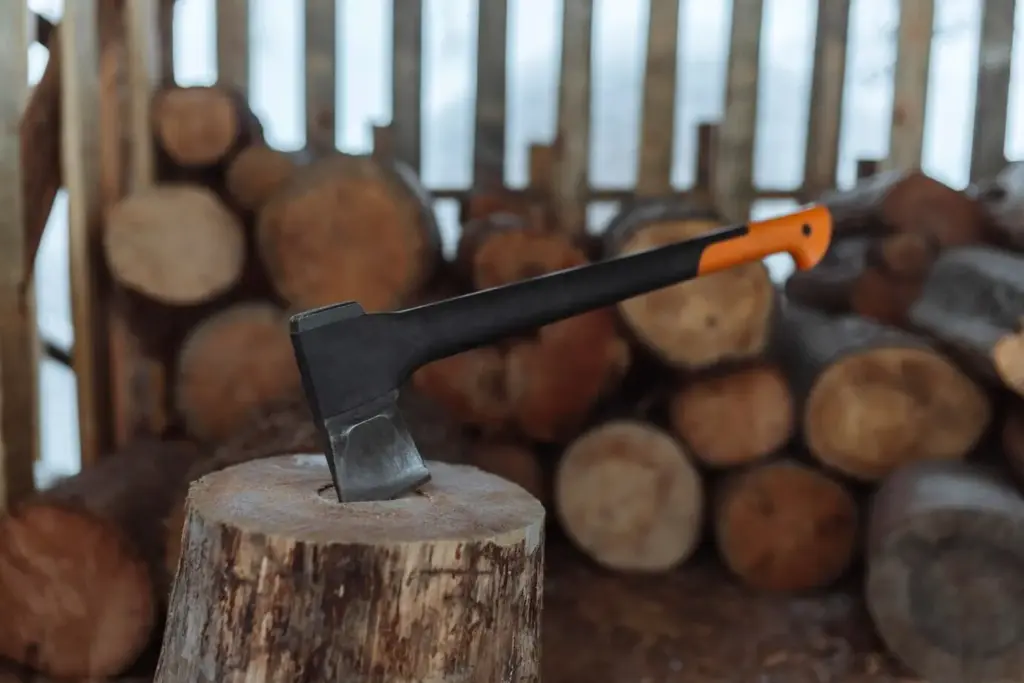
Every ounce carried uphill should earn its keep. A sharp crosscut, a reliable felling axe, a drawknife, a froe, stout chisels, and a couple of well-set hand planes can turn raw logs into trued members. Add wedges, pegs, a sturdy mallet, files, a small oilstone, and breathable work gloves. Resist gadget creep; thoughtful maintenance beats redundancy. Water, spare socks, and calories calm frustration when weather shifts, keeping your judgment steady as light fades behind the firs.
Reading Weather and Terrain
Clouds stacked like scales often promise wind; a haloed moon hints overnight ice. Melt-runnels carve quick lessons in spring footing, while shallow soils over rock demand gentle handling of trees and anchors. Schedule heavy lifts before afternoon thermals build, and respect afternoon thunderstorms that sprint over passes. Make contingency camps for surprise squalls. A small notebook of field signs—needle rustle, snow texture, bird alarm calls—turns guesswork into informed rhythm, saving time, skin, and irreplaceable morale.
The Forest as a Workshop
Joinery that Survives Winters

Laying Out with Accuracy
Cutting Clean Mortises

Raising Frames Safely
Fire, Sun, and Flowing Water
Safe, Efficient Wood Heat
Practical Small-Scale Solar
Water, Waste, and Quiet Hygiene
Finding and Protecting a Source
Survey for reliable seeps just below contour, away from livestock traces and melt-silt paths. Box springs with stone, mesh, and care, then route lines shallow enough to service but deep enough to dodge claws, sun, and frost. Mark valves where gloves can work by headlamp. Filter at the point of use, and reserve a gravity-fed backup for stubborn mornings. Keep soap and fuel far downstream, and offer thanks often; moving water is a privilege, not an entitlement.
Rain, Roofs, and Cisterns
A steep, tight roof with generous gutters turns storms into security. First-flush diverters soften the grit, leaf screens spare your cartridges, and dark cisterns discourage algae’s optimism. Insulate lines where wind sneaks and secure tanks so freeze-thaw won’t bully fittings. Label valves, log volumes, and learn winter’s cadence to avoid surprise empties. A hand pump earns legend status when batteries sigh. In shoulder seasons, a single storm can refill cooking, washing, and patience with quiet abundance.
Composting with Respect
Build a well-ventilated system that prefers carbon-rich cover over odors and flies, then mind temperature with the same curiosity you grant a sourdough jar. Separate liquids when possible; keep bulking material dry as insurance. Rotate bins with seasons, not impulsiveness, and place them downwind from evening chairs. Winter adds awkward gloves and slower biology, so plan for storage. Someday you will turn crumbly, clean-smelling results that remind you humility and microbes collaborate better than any advertised miracle.
Cooking Slow and Hot
Storing Plenty without a Plug
Neighbors, Stories, and Staying Connected
All Rights Reserved.