Crafted by Peaks: Everyday Beauty from Wood and Stone

Today we explore Traditional Alpine Woodcraft and Stonework for Everyday Household Goods, meeting the makers, materials, and methods that shaped bowls, churns, hearthstones, and humble tools. From slow-grown larch to heat-holding soapstone, discover how mountain wisdom turns necessity into grace, and how you can welcome these lasting practices into daily life.

Materials Born of Altitude

High slopes gift unusual timber and stone, matured by cold, thin air, and patient time. Larch resists weather, spruce sings under tools, Swiss stone pine perfumes rooms, and maple stands steady against knives. Granite carries strength; soapstone holds gentle heat for stews. Selecting the right piece begins with scent, grain, and weight in the hand, then continues with responsible harvesting, thoughtful seasoning, and gratitude for resources that supported families through lean mountain winters.

Tools and Techniques that Endure

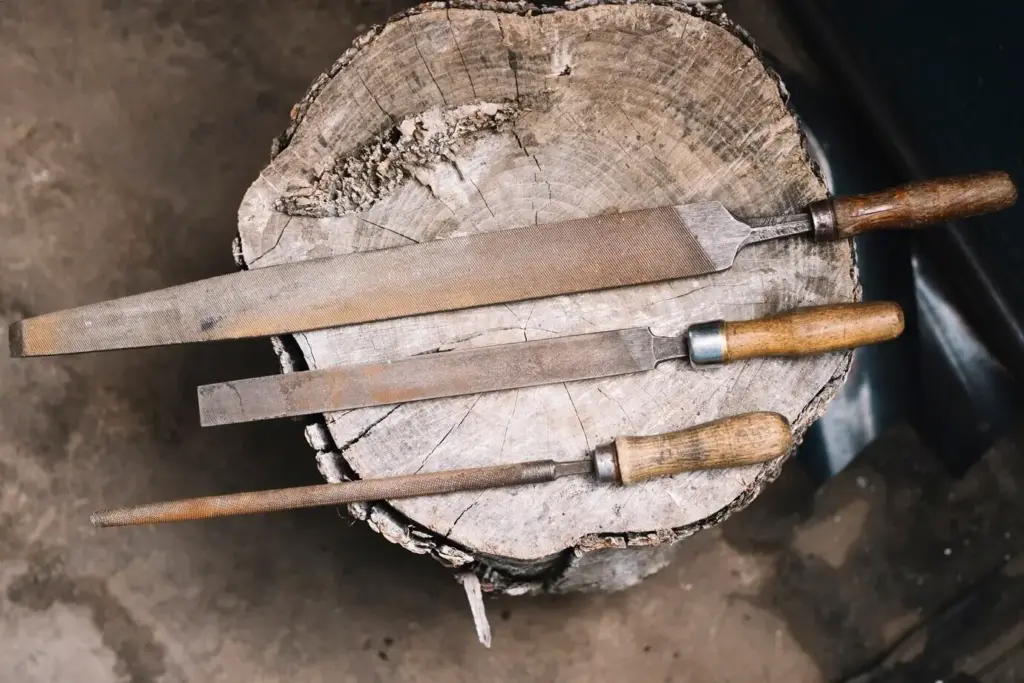
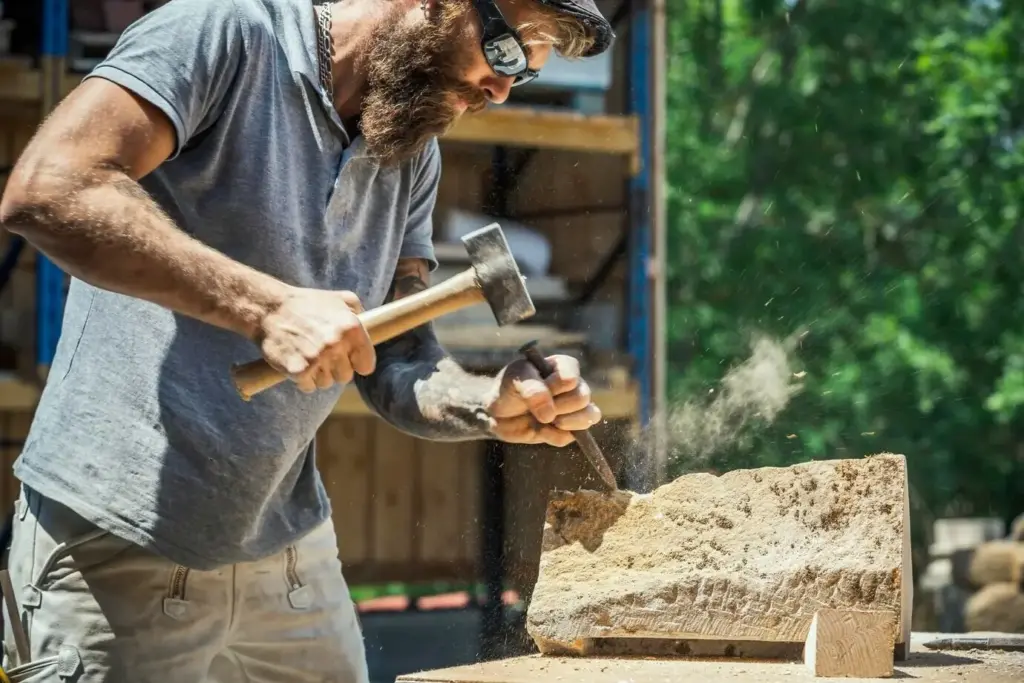
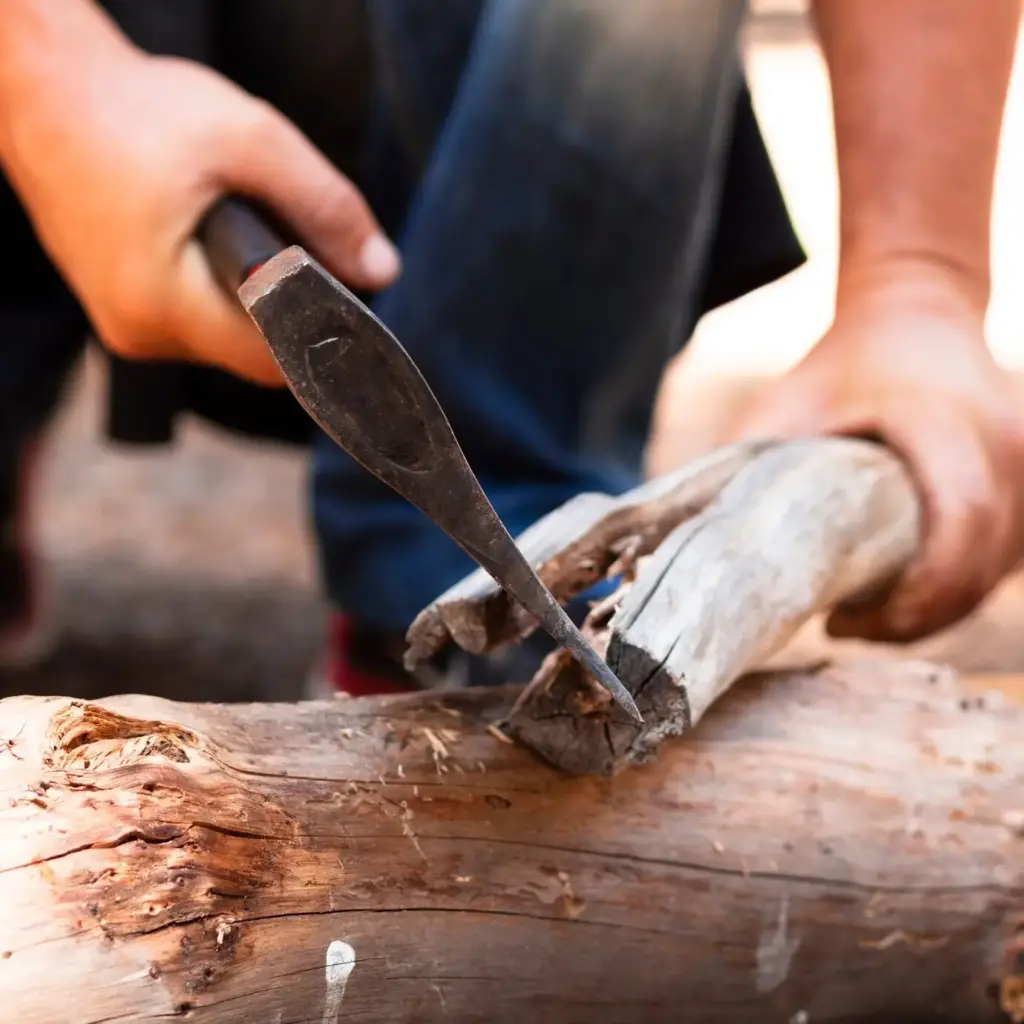
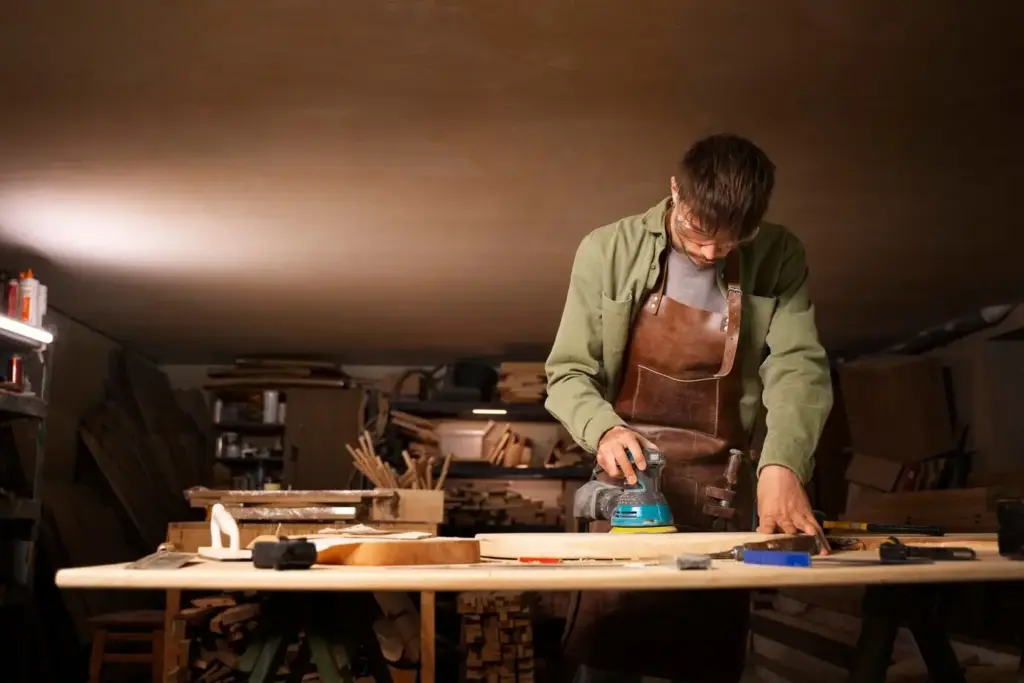
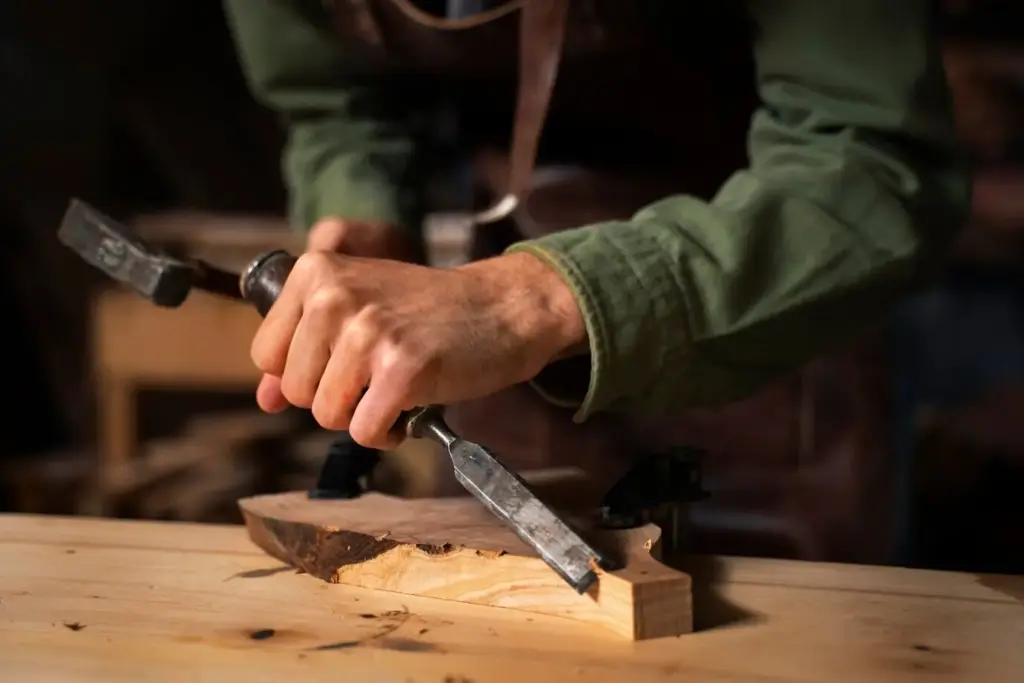
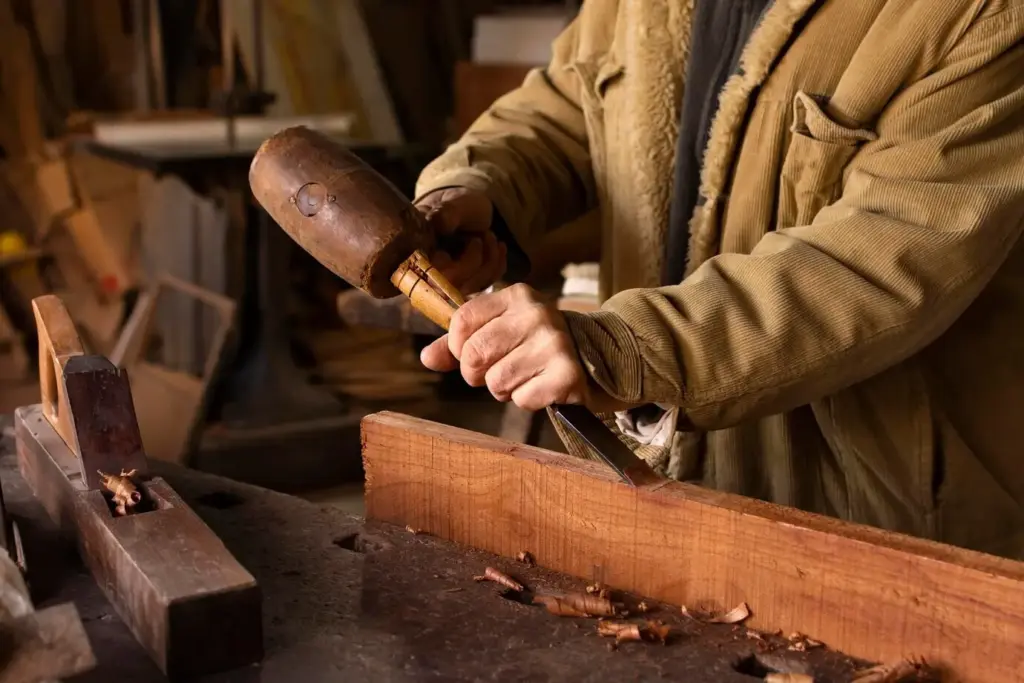
Mountain workshops hum with careful rhythm: adze thumps, drawknives whisper, and chisels ring against stone. Splitting follows the grain; mortise-and-tenon joints breathe through seasons; dovetails lock corners without metal. On the mason’s bench, point, tooth, and flat chisels tame boulders into basins and hearthstones, guided by chalk lines and echo. These methods invite patience, reduce waste, and create household goods meant to outlast passing fashions and hurried trends.

Objects for Everyday Use

Elegance in the Alps was never distant from usefulness. Milk pails and butter churns coopered from straight-grained spruce; bread boards that forgive knife marks; three-legged stools that find level floors; soapstone pots steady on iron grates; granite thresholds that absorb boot thuds. Each item answers a daily need with quiet grace, proving that thoughtful craft turns ordinary moments—stirring polenta, slicing cheese, washing berries—into touchstones of care, continuity, and comfort.

At the Hearth: Pots, Ovens, and Basins

Soapstone cradles stews through long conversations, while brick-and-stone ovens hold an even, forgiving heat for loaves. Sink basins chipped from granite resist generations of pots. Makers design gentle radiuses for cleaning, thick lips for strength, and rims that balance on iron supports. These practical details matter on tired evenings, when one hand stirs and the other lifts, and nothing should snag, shock, or scorch dinner.

Around the Table: Boards and Bowls

Serving pieces double as family archives. Knife-scar constellations recall picnics above the timberline; honey-darkened edges mark years of oiling. Bowls turned from mountain maple rotate grain like visible music, resisting splits. Feet are carved small to prevent rocking on rough tables; handles invite safe passing. The table becomes a gallery of touch, where bread, cheese, and laughter slide across surfaces built to welcome everyday rituals.

Care, Repair, and Longevity

Household goods thrive when maintenance becomes a habit as natural as sweeping the doorstep. Oils replenish fibers; wax seals pores; soapstone seasons through ritual simmerings of water and herbs. When accidents happen, butterfly keys bridge splits, pegs replace nails, and hoops tighten. Stone joints are repointed with lime, not brittle cement. Such practices invite partnership with objects, turning owners into stewards and extending usefulness across seasons, children, and changing kitchens.

Culture, Motifs, and Stories

Carved edelweiss, ibex, and protective hearts carry meanings as steady as the grain beneath them. Families marked tools with simple symbols burned near handles, a rustic signature that outlasted paper. Wedding chests combined robust joints with hopeful rosettes; window lintels bore dates and sayings. These marks do not add fuss—they embed memory. Through them, a spoon becomes a messenger, a chest a pledge, and a pot a keeper of quiet celebrations.

Bring the Craft Home Today

You do not need a mountain view to welcome durable, honest goods into your kitchen. Start with one piece you will touch daily, learn its care, and let it teach you slowness. Seek ethical sources, meet makers, and ask questions. We share workshop visits, simple tutorials, and sourcing lists—subscribe for updates, comment with your experiments, and tell us what you repair or build next. Your stories keep these practices alive.
Kipuluzafelakuxopevaxe
Privacy Overview

This website uses cookies so that we can provide you with the best user experience possible. Cookie information is stored in your browser and performs functions such as recognising you when you return to our website and helping our team to understand which sections of the website you find most interesting and useful.